

4.1 – Cotton-Wool Spots
4.2 – Hypertensive Retinopathy
4.3 – Cilioretinal Artery Occlusion
4.4 – Branch Central Retinal Artery Occlusion
4.5 – Branch Central Retinal Vein Occlusion
4.6 – Central Retinal Artery Occlusion
4.7 – Central Retinal Vein Occlusion
4.8 – Neovascular Glaucoma
4.9 – Retinal Arterial Macroaneurysms
4.10 – Ocular Ischemic Syndrome
4.11 – Ocular Manifestations of Waldenstrom Macroglobulinemia
4.12 – Sickle Cell Disease
6.1 – Sarcoidosis
6.2 – Serpiginous Choroiditis
6.3 – Birdshot Retinochoroidopathy
6.4 – Acute Retinal Pigment Epithelitis
6.5 – Uveitis
6.6 – Eales Disease
6.7 – Multifocal Choroiditis
6.8 – Multiple Evanescent White Dots Syndrome
6.9 – Acute Posterior Multifocal Placoid Pigment Epitheliopathy
6.10 – Uveal Effusion
6.11 – Acute Zonal Occult Outer Retinopathy
6.12 – Subretinal Fibrosis and Uveitis Syndrome
6.13 – Posterior Scleritis
6.14 – Vogt-Koyanagi-Harada Syndrome
6.15 – Punctate Inner Choroidopathy
7.1 – Macular Dystrophies
7.2 – Con-Rod Dystrophy
7.3 – Stargardt Disease
7.4 – Gyrate Atrophy
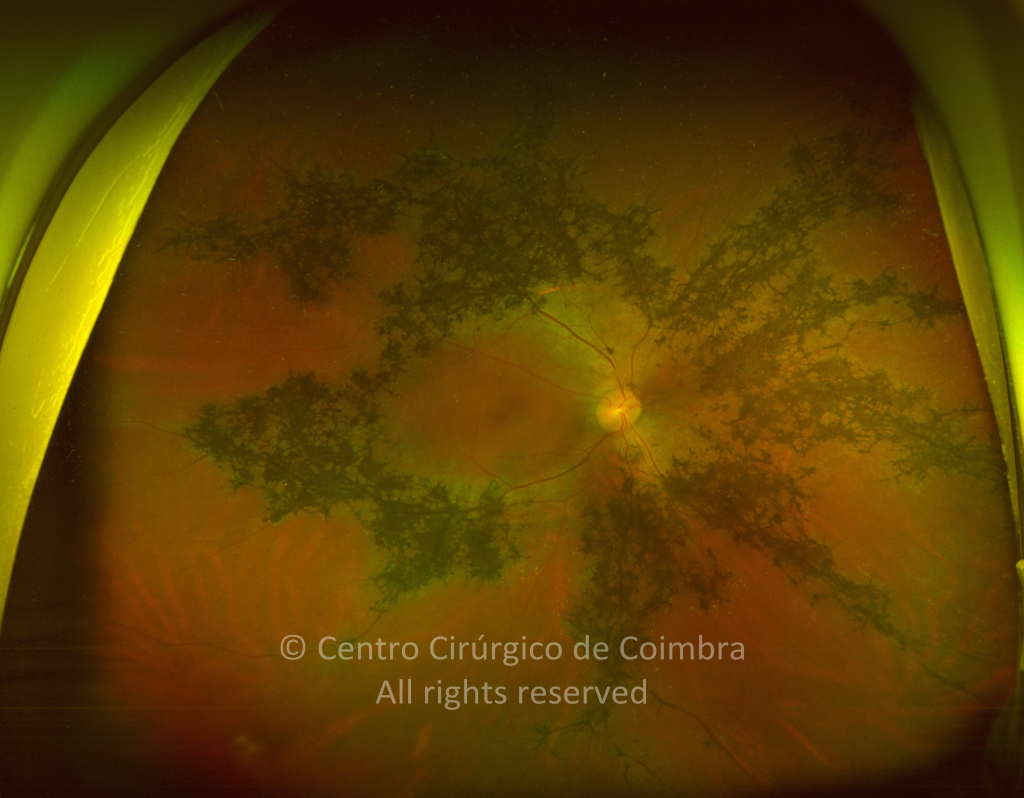
7.5 – Retinitis Pigmentosa
7.6 – Usher Syndrome
7.7 – Bardet-Biedl Syndrome
7.8 – Senior-Loken Syndrome
7.9 – LCHAD Deficiency
7.10 – Ocular Manifestations of Neuronal Ceroid Lipofuscinosis
7.11 – Ocular Manifestations of Homocystinuria
7.12 – Methylmalonic Acidemia
7.13 – Hereditary Vitreoretinal Degenerations
7.14 – Best Disease
7.15 – Nanophthalmos
7.16 – Retinitis Punctata Albescens
7.17 – Fundus Albipunctatus
7.18 – Choroideremia
7.19 – Sjogren Reticular Dystrophy
7.20 – Ocular Albinism
7.21 – Norrie Disease
7.22 – Congenital Non-attachment of the Retina
7.23 – Leber Congenital Amaurosis
7.24 – Wyburn-Mason Syndrome
7.25 – Bietti Crystalline Dystrophy
7.26 – Morning Glory Syndrome
7.27 – Familial Dominant Drusen
7.28 – Congenital Stationary Night Blindness
7.29 – Pigmented Paravenous Retinochoroidal Atrophy
9.1 – Choroidal Hemangioma
9.2 – Choroidal Osteoma
9.3 – Uveal Melanoma
9.4 – Choroidal Metastasis
9.5 – Intraocular Lymphoma
9.6 – Retinocytoma
9.7 – Choroidal Nevus
9.8 – Congenital Hypertrophy of the Retinal Pigment Epithelium
9.9 – Radiation Retinopathy
9.10 – Retinal Capillary Hemangioma
9.11 – Retinoblastoma
10.1 – Commotio Retinae
10.2 – Choroidal Rupture
10.3 – Purtscher Retinopathy
10.4 – Traumatic Macular Hole
10.5 – Chorioretinitis Sclopetaria
10.6 – Intraocular Foreign Bodies
10.7 – Retinal Detachment
10.8 – Terson Syndrome
10.9 – Solar Maculopathy
10.10 – Penetrating and Perforating Ocular Trauma
10.11 – Valsalva Retinopathy
10.12 – Siderosis Bulbi
10.13 – Chloroquine or Hydroxychloroquine Retinopathy
10.14 – Rupture of Zonular Fibers
Amblyopia: consists of reduced vision in one eye due to problems that interfere with visual development during childhood; generally there are no apparent organic changes; amblyopia arises because the brain does not recognize the more blurred image provided by the eye, making the eye “preferential” to the one sending a sharper image.
Anisocoria: change in which there is an unequal size of the two pupils.
Anterior chamber: space between the cornea and iris, filled with aqueous humor.
Anterior segment: most anterior portion of the eyeball that includes the external ocular surface, the conjunctiva, the cornea, the anterior chamber, the iris, the visible sclera and the lens.
Aphakia: absence of crystalline; it can be congenital or acquired (surgical/traumatic).
Autoimmune: refers to the exaggerated immunological or inflammatory reaction that occurs in an individual against his own tissues.
BCVA: best corrected visual acuity (usually with glasses or contact lenses).
Biometry: diagnostic exam that uses ultrasound for various measurements such as axial length, anterior chamber depth, corneal curvature, corneal thickness, among others.
Blepharitis: acute or chronic inflammation of the eyelid margin.
Capsulotomy:an opening is made in the posterior area of the capsule with a YAG laser when the posterior lens capsule opacifies after cataract surgery.
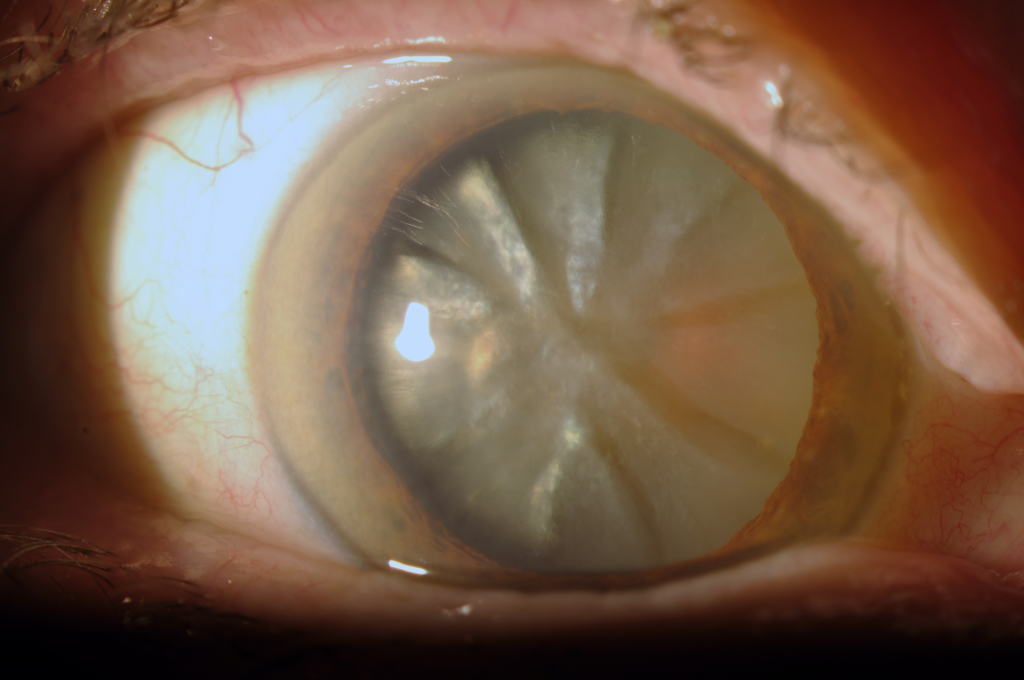
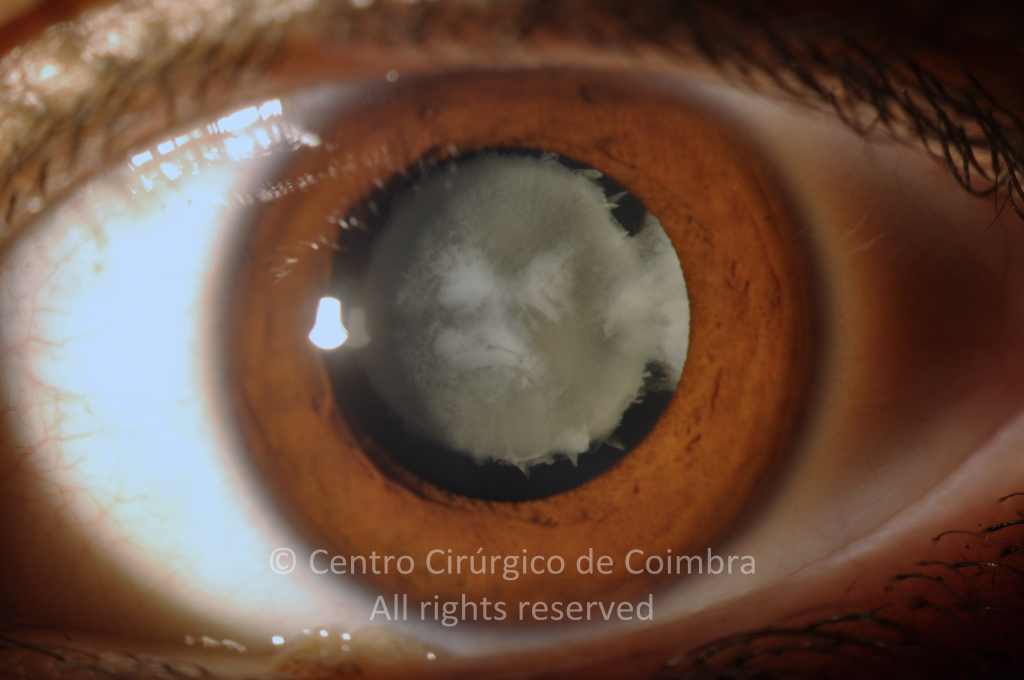
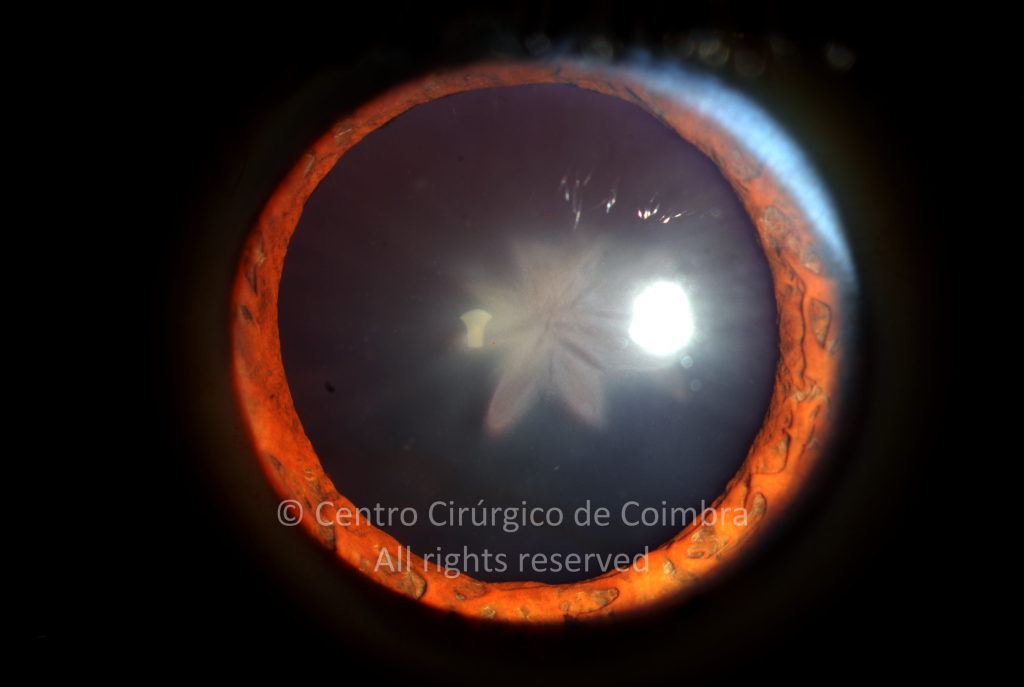
Cataract: change in the transparency of the lens.
CF:count fingers.
Chalazion: inflammatory nodule that develops on the eyelid, in the upper or lower part, caused by obstruction of a Meibomius gland.
CNV: choroidal neovascular membrane.
Congenital: present from birth.
Conjunctivitis: inflammation of the conjunctiva (“the white” of the eye) and the inner part of the eyelids; it can be allergic or infectious (bacterial or viral).
Cornea: most anterior part of the eyeball, transparent, which works like a “watch glass” with high dioptric power.
Corneal topography: diagnostic exame which makes it possible to establish a three-dimensional map of the different radius of curvature of the anterior surface of the cornea.
CVO: central retinal vein occlusion.
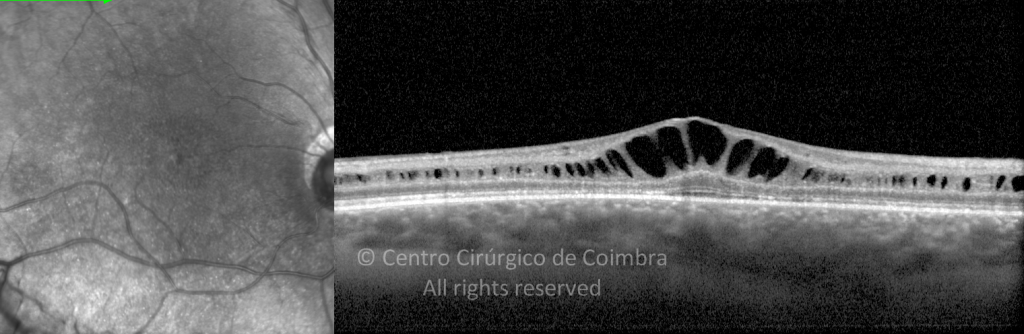
Cystoid macular edema (CME): accumulation of fluid in the macula that can cause decreased visual acuity.
Diabetes type 1: called juvenile diabetes; insulin-dependent.
Diabetes type 2:most common type in adulthood; non-insulin dependent.
Diopter (D): unit of measurement of the power of a lens; used in optical correction.
Diplopia: double vision.
DR: Diabetic Retinopathy.
Epiretinal membrane: membrane that grows on the inner surface of the retina.
Eye floaters (myodesopsias): small spots/filaments or dark spots that float in the vision field and that move with the movement of the eyes.
Fibrosis:excessive proliferation of connective tissue, which may arise as an exaggerated response to injuries, infections or inflammation.
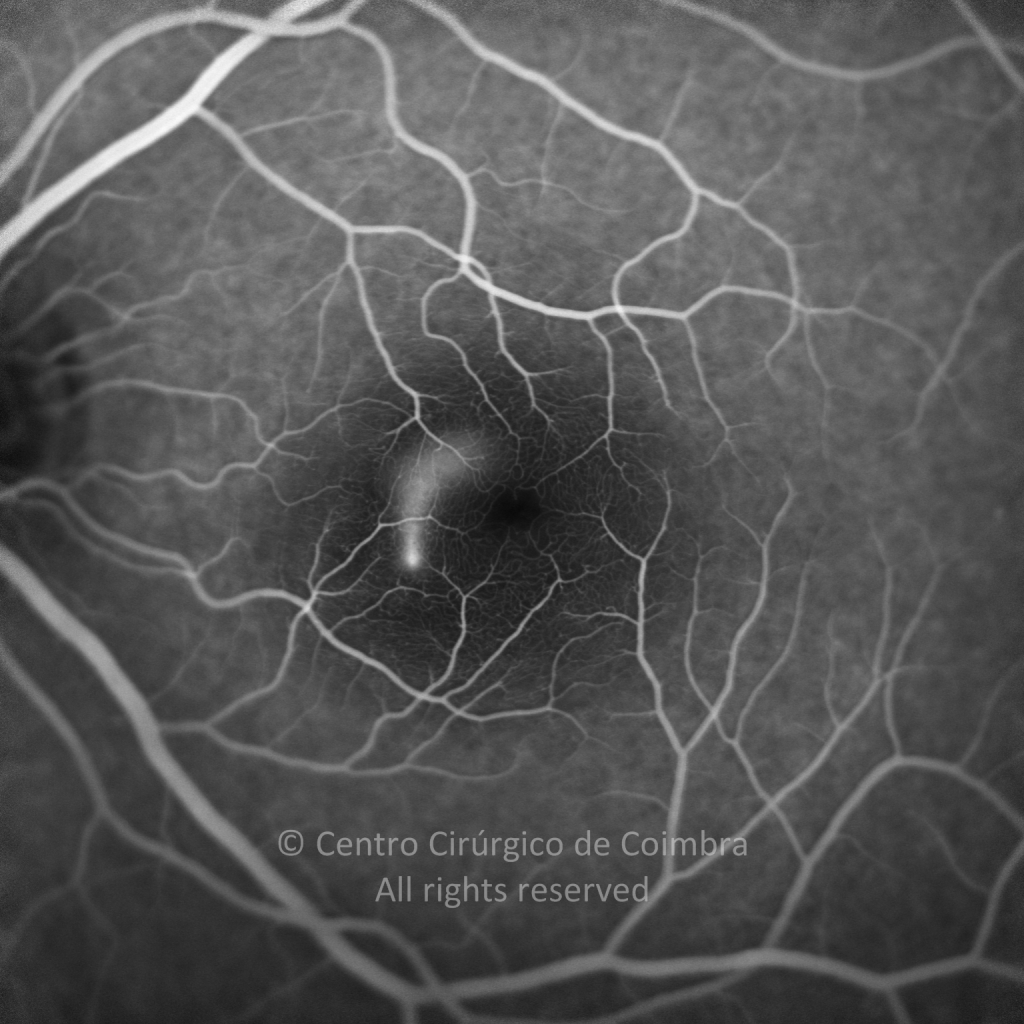
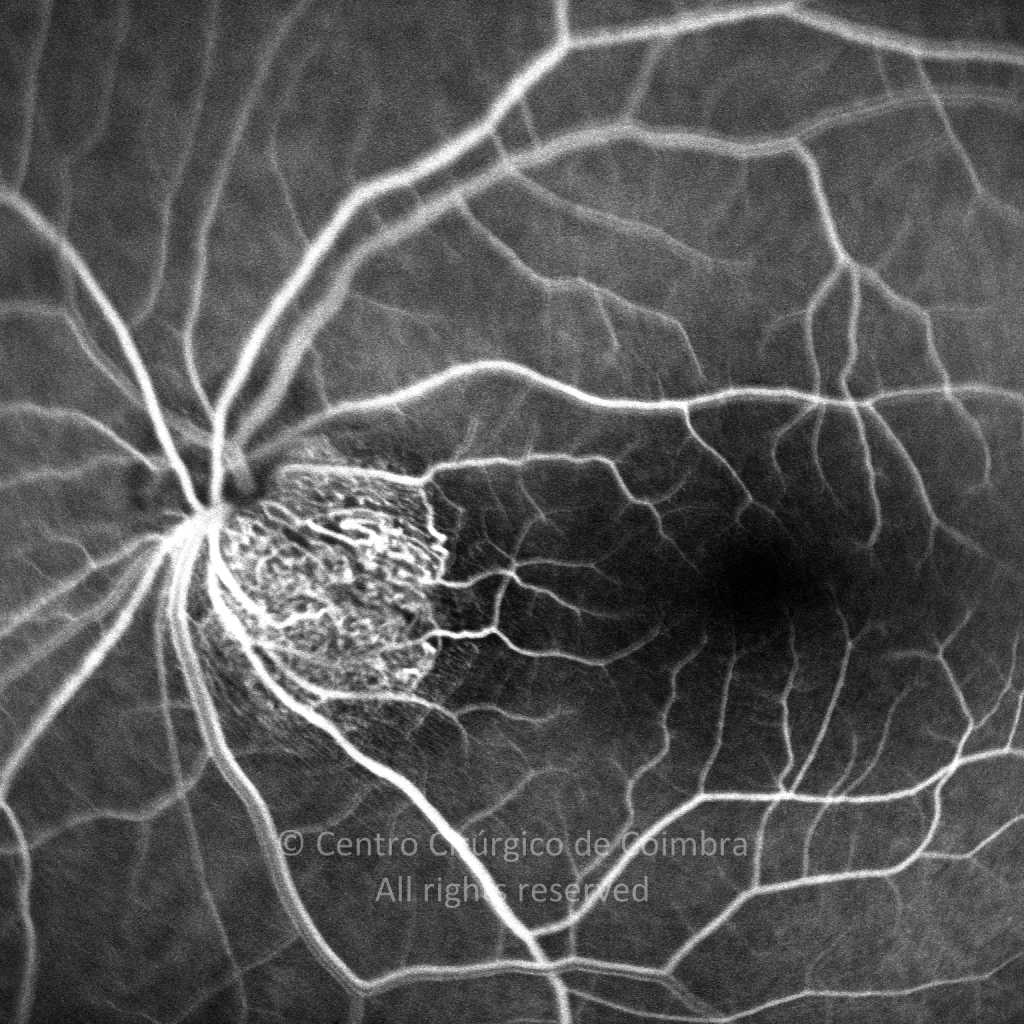
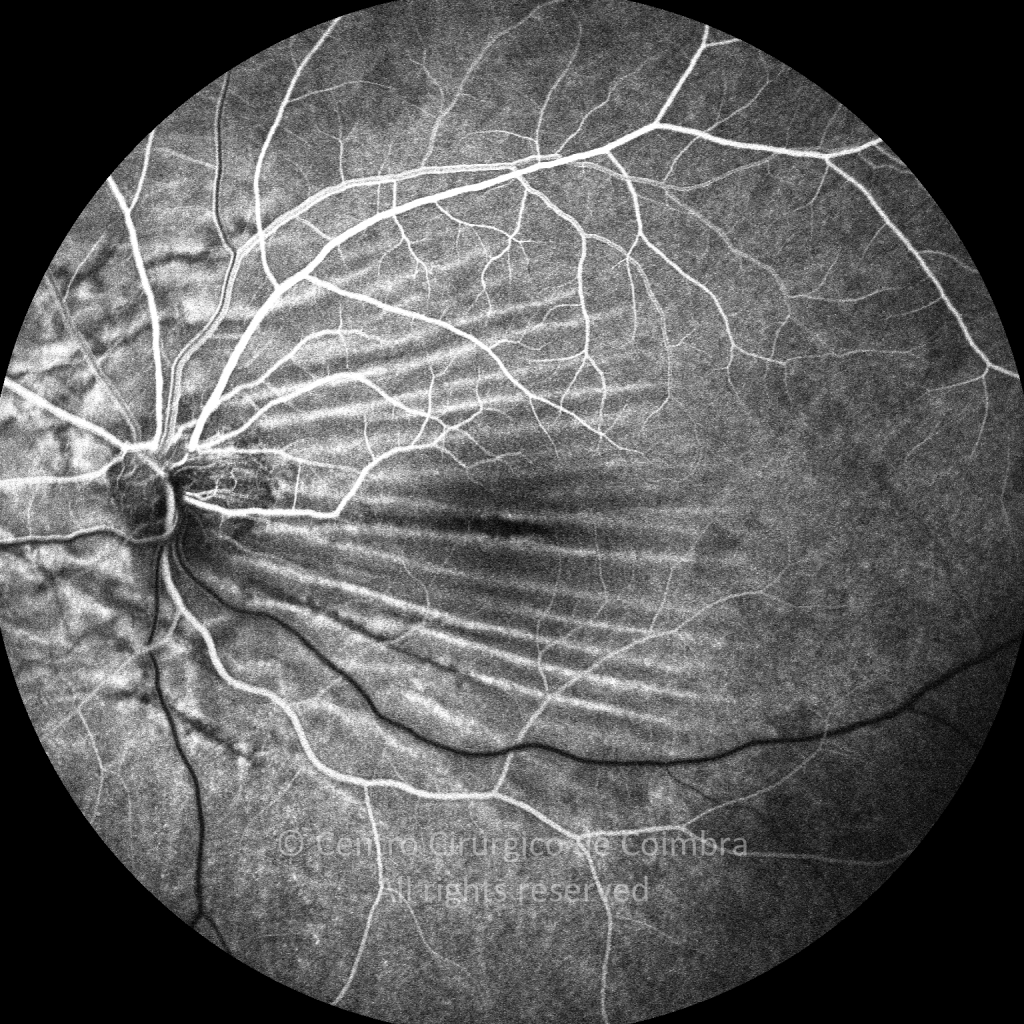
Fluorescein angiography:diagnostic test to evaluate the circulatory dynamics of retinal blood vessels and their integrity.
Fovea: central area of the macula.
Glaucoma: optic nerve disease in which there is a marked loss of nerve fibers, in relation to a group of people of the same age, and which is usually associated with loss of visual field; may be associated with high intraocular pressure; there are also low-tension and normotension glaucomas.
Glycated hemoglobin (HbA1c): blood test that assesses blood glucose levels over the last 3 months and is not influenced by fasting on the day of blood collection.
Hordeolum: acute infection of a gland on the edge of the eyelid, usually bacterial.
Hyperopia: difficulty in seeing at short distances that can be corrected by converging (positive) lenses; occurs when the axial length of the globe is shorter or the curvature of the cornea is flatter, so that the image is captured behind the retina.
Intraocular lens: lens that is inserted into the eye to replace the crystalline lens in cataract surgery; it can also be used to correct high myopia in young patients, maintaining the crystalline.
Intraocular pressure (IOP): allows the eyeball to remain spherical in shape; depends on the production of aqueous humor, its circulation and drainage.
Ischemia: insufficient blood supply due to constriction or obstruction of blood vessels resulting in a decrease in oxygenation and nutritional supply to tissues.
Keratitis: inflammatory process of the cornea.
LASIK (Laser Assisted In-situ Keratomileusis): aser surgery, used to correct myopia, astigmatism and hyperopia.
LE: left eye.
Lens (crystalline): transparent biconvex physiological lens, located behind the iris.
LP:light perception.
Macula: central region of the retina where the image that will be transmitted to the brain is formed.
Metamorphopsies:image distortion; vertical/horizontal lines appear wavy.
Miotic:medication used to cause pupillary contraction, reversibly.
Mydriatic: medication that causes pupil dilation, reversibly.
Myopia: difficulty with distance vision that can be corrected by divergent (negative) lenses; generally characterized by increased axial length of the globe or more accentuated corneal curvature; the image is captured in front of the retina.
Neovascularization: the formation of new blood vessels, often fragile, in areas of ischemia (which do not receive adequate oxygen and nutrient supply); are more at risk of causing bleeding.
NPDR: Non-Proliferative Diabetic Retinopathy.
Nyctalopia: night blindness; decreased visual adaptation to the dark.
Neuro-ophthalmology: subspeciality of ophthalmology dedicated to the integrated study of vision problems and diseases of the nervous system.
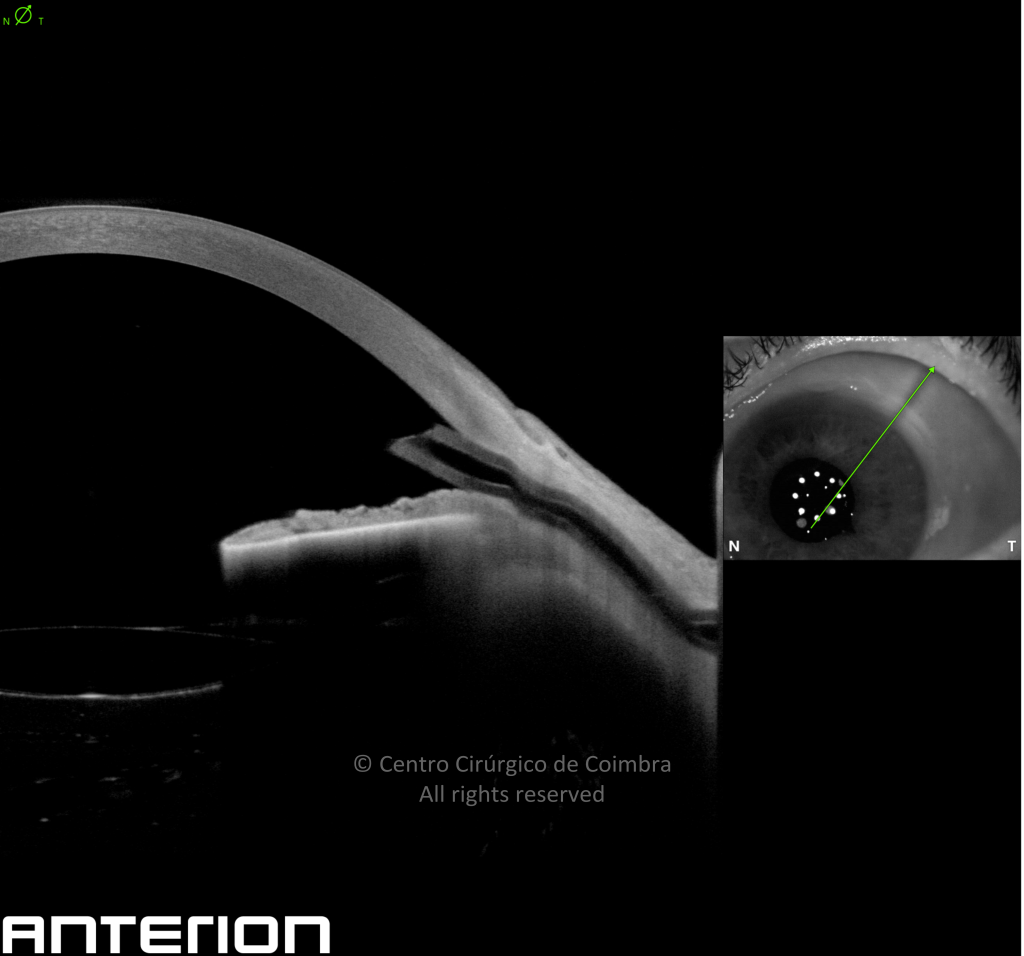
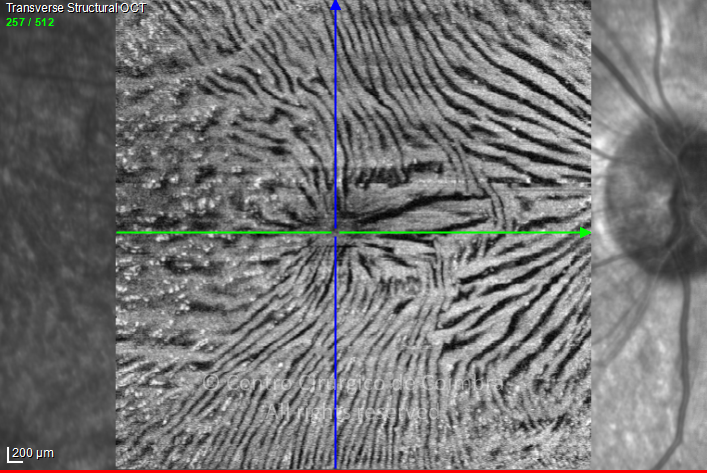
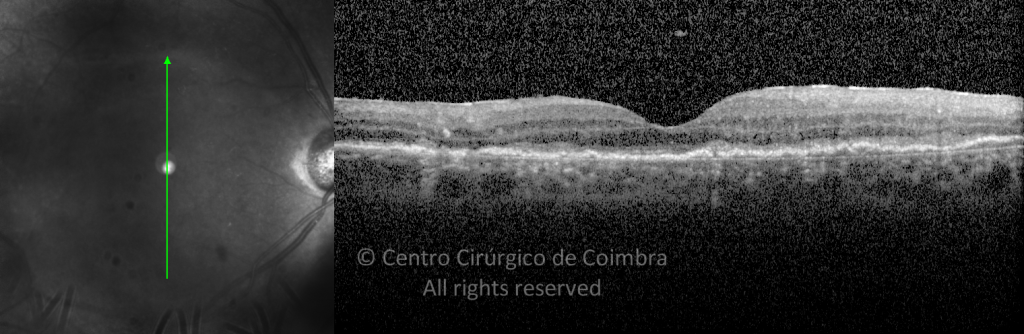
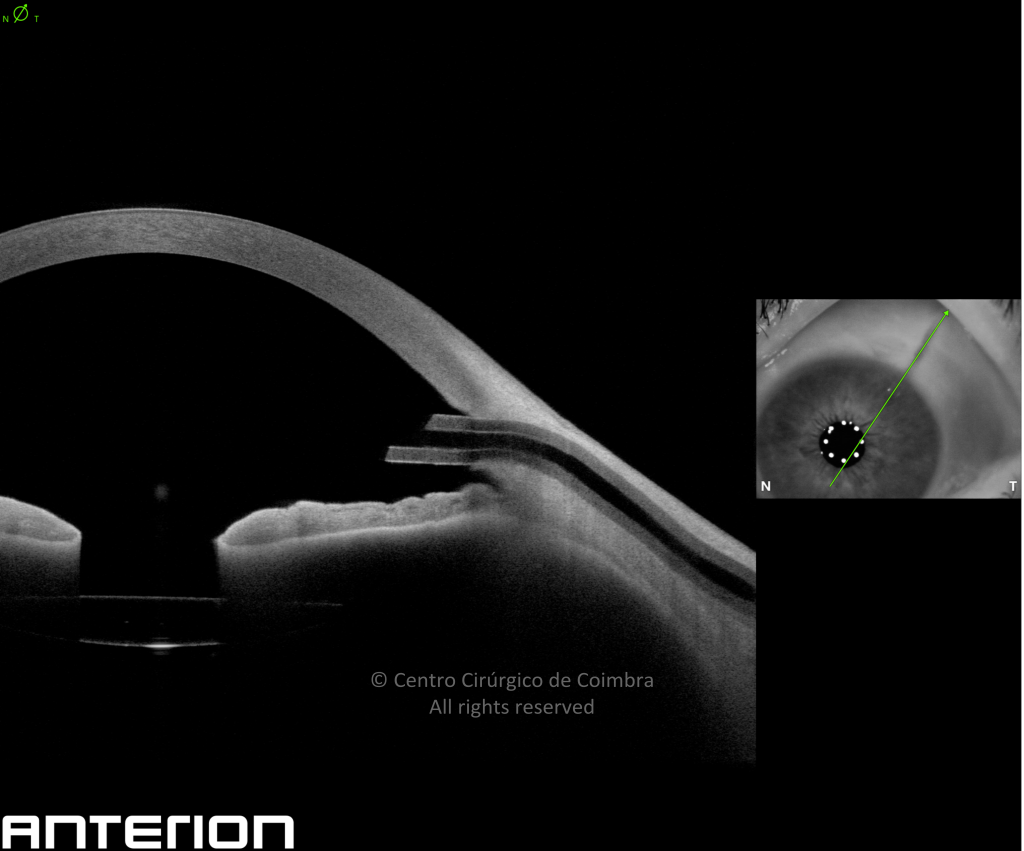
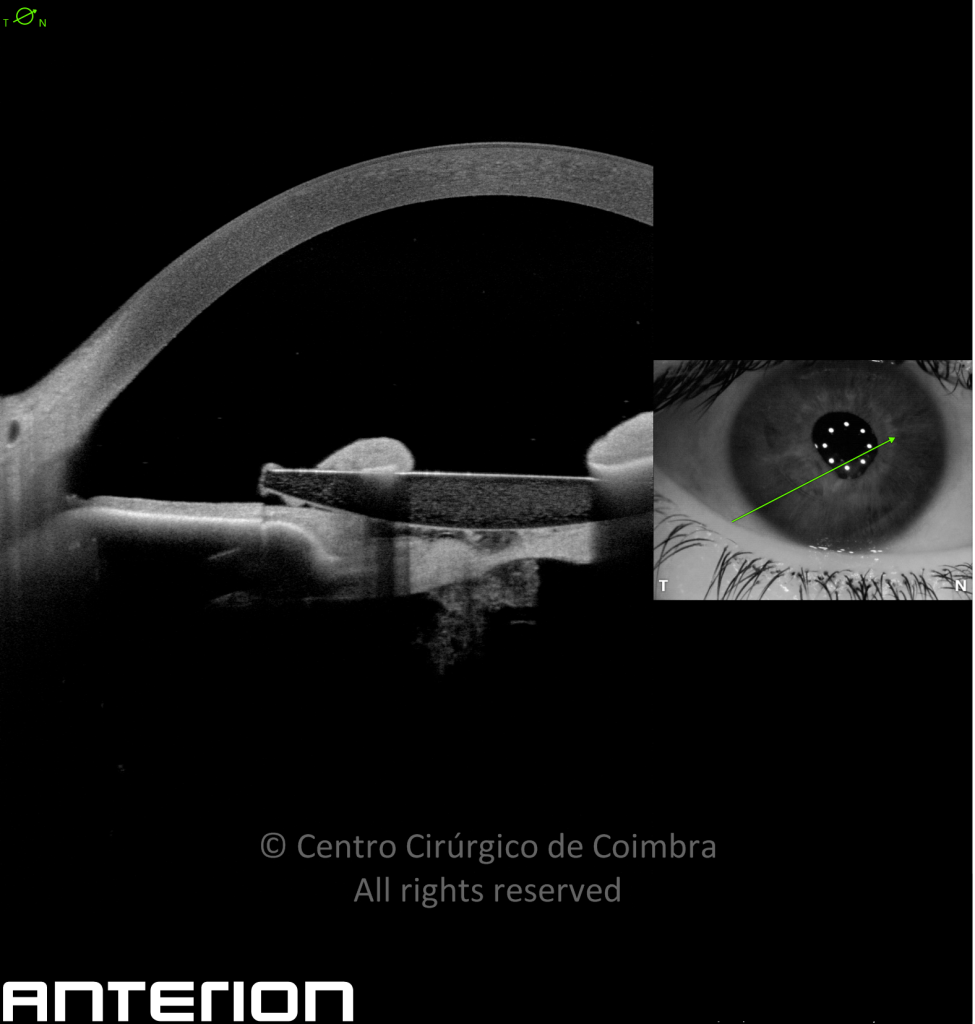
OCT: Optical Coherence Tomography; diagnostic examination; high-resolution cross-sectional images of retina, optic disc and anterior segment.
Optic Disc: intraocular portion of the optic nerve that is visualized when observing the ocular fundus.
Optic nerve: transmits nerve impulses produced in the retina to the brain, where they are then interpreted as images.
PDR: Proliferative Diabetic Retinopathy.
Perimetry: diagnostic exam to evaluate the field of vision..
Phakic eye: eye with crystalline lens.
Photophobia: is the “intolerance” or “aversion” to light or the discomfort caused by light in the eyes.
Presbyopia: difficulty with near vision that can be corrected with lenses; it usually occurs after the age of 40.
Progressive lenses: correct distance, intermediate and near vision in the same lens, without a visible separation line in the glasses.
PSC:posterior subcapsular (cataract); consists of the opacification of the most posterior layers of the lens.
Pseudophakic eye: the lens was replaced with an intraocular lens (cataract surgery).
Pterygium: degenerative lesion in which conjunctival tissue proliferates to the surface of the cornea, in the form of a vascularized layer near the transition between conjunctiva and cornea, and which may have inflammatory signs.
RE: right eye.
Refraction exam: assessment of visual acuity corrected with glasses or contact lenses.
Refractive surgery: laser surgery to correct refractive errors such as myopia, hyperopia, astigmatism, usually corrected with the use of glasses or contact lenses.
Retina: layer that lines the inside of the eye, made up of nerve cells; its cells are sensitive to light and convert it into electrical signals that are then sent to the brain via the optic nerve.
Retinal detachment: separation of the retina from the choroid and sclera (“eye wall”).
Retinography:photograph of the ocular fundus.
RLE: both eyes.
RPE: retinal pigment epithelium.
Sclera: outer layer of the eyeball, consisting of fibrous tissue that covers the eyeball.
Strabismus: ocular misalignment caused by imbalance of the extrinsic muscles of the ocular globe.
Tonometry: method of evaluating intraocular pressure (IOP); diagnostic examination.
Uveitis: inflammation of the uvea, the vascular layer of the ocular globe; it can involve the anterior uvea (consisting of the iris and ciliary body) and the posterior uvea (choroid).
Visual acuity (VA): ability of vision to perceive the shape and contour of objects; a person with VA 20/20 sees objects that are 20 feet away clearly.
Visual Field: area of space visible to the eye in a given position, looking fixedly; there is the central visual field and the peripheral visual field, which is lateral vision.
Vitrectomy: surgical procedure to remove the vitreous and replace it with another substance (saline solution, gas or silicone depending on the surgical problem).
Vitreous: gelatinous and transparent substance that fills the vitreous cavity, which is located in the posterior portion of the globe, behind the lens.